Recognizing when an orthodontic issue needs immediate attention
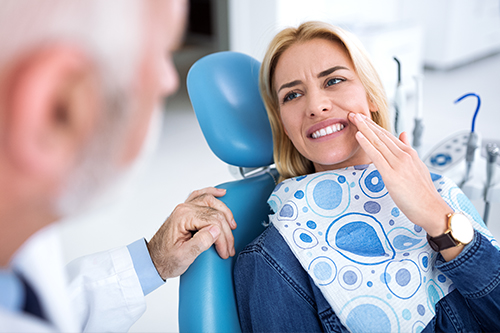
Orthodontic treatment is a long-term commitment, and most minor mishaps can wait until your next scheduled visit. However, there are times when a problem requires prompt professional care. If you experience sudden, severe pain, uncontrolled bleeding, or noticeable swelling after an injury to the mouth or jaws, seek medical or dental help right away. These signs can indicate damage or infection that warrants urgent evaluation.
Other situations may not be life-threatening but still demand timely intervention to protect your treatment progress. A wire that is digging into the cheek, a bracket that has come loose and is catching on soft tissue, or a band that has detached from a tooth can quickly cause irritation, soreness, or make it difficult to maintain oral hygiene. Addressing these problems early reduces the chance of longer delays in treatment.
At Batastini Orthodontics we emphasize balanced judgment: many issues are manageable at home for a short time, but when discomfort escalates or an appliance is clearly compromised, professional attention prevents minor problems from becoming major setbacks. If you’re unsure whether your situation qualifies as an emergency, err on the side of contacting the practice for guidance.
Typical appliance problems and how we handle them
Orthodontic emergencies usually involve parts of your braces or removable appliances becoming loose, broken, or irritating. Common scenarios include wires that protrude or poke, brackets that come off teeth, bands that loosen, and removable retainers or aligners that crack or warp. Each of these can interfere with comfort, oral hygiene, and steady treatment progress if not addressed.
Here are the issues we see most often and the typical approach to each:
- Poking or protruding wires — we can trim or reposition the wire to stop irritation and protect soft tissues.
- Loose molar bands — securing or replacing the band restores stability for nearby teeth and attachments.
- Detached or broken brackets — re-bonding a bracket keeps the archwire engaged and minimizes movement delays.
- Dislodged elastic ligatures or hooks — replacing elastics or adjusting components reduces discomfort and maintains force delivery.
- Damaged removable appliances — repair or replacement preserves fit and keeps treatment goals on track.
When you come in for emergency care, we assess how the problem affects your overall treatment plan and take the least invasive step needed to restore comfort and function. In many cases a simple adjustment is enough to tide you over until a follow-up appointment for a more permanent repair.
Practical at-home steps to reduce pain and protect your mouth
Until you can be seen, there are safe, simple measures to ease discomfort and protect soft tissue. If a wire is poking, try covering the end with orthodontic wax or a small piece of sugarless gum to prevent it from rubbing against the cheek. If an elastic or bracket is loose but not causing pain, carefully tuck the loose part away from the gums or tongue using clean tweezers, or secure it with a tiny dab of orthodontic wax.
For soreness after an adjustment or following a minor appliance failure, rinsing with warm salt water can soothe irritated tissues and help reduce inflammation. Over-the-counter pain relievers may also help; follow the dosing instructions on the product and consult your physician if you have any health conditions or medication concerns. Avoid hard, sticky, or chewy foods until the issue is resolved, since these can worsen damage to appliances.
If swelling, fever, or severe pain develops, do not delay seeking professional evaluation. Those symptoms may signal infection or trauma that requires prompt treatment by a dentist or physician. Our guidance aims to keep you comfortable and safe while ensuring your orthodontic care stays on course.
What happens during an orthodontic emergency visit
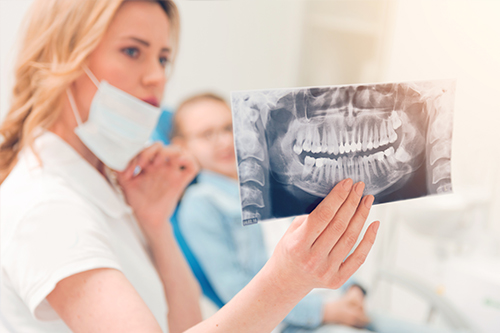
When you arrive for an emergency appointment, we begin with a focused assessment to identify the source of pain or dysfunction. This includes examining the soft tissues, appliances, and teeth, and taking any necessary images or records to clarify the problem. The goal is to prioritize patient comfort and determine whether a temporary fix or a full repair is required that day.
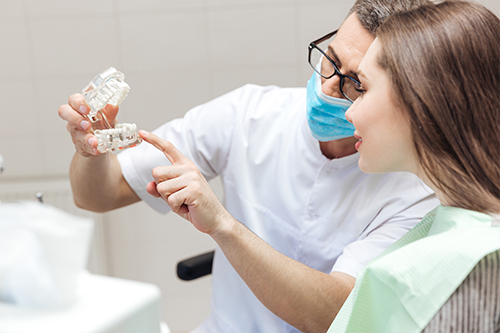
Treatment during the visit may range from smoothing or clipping a troublesome wire to re-bonding a bracket, replacing an elastic, or making an adjustment to a removable device. If the issue is related to an injury or an infection beyond orthodontic care, we coordinate with your dentist or medical provider to ensure you receive comprehensive treatment. Our team communicates clearly about the steps taken and what to expect next so that you leave with both relief and a plan.
We also review preventive steps to avoid a recurrence and schedule any follow-up appointments needed to complete the repair. Emergency visits focus on restoring comfort and function as swiftly as possible while preserving the integrity of your overall treatment plan.
Reducing the risk of emergencies throughout treatment
Many emergencies are preventable with consistent care and a few simple habits. Follow dietary recommendations, avoid hard and sticky foods, and be mindful about not using your teeth as tools to open packages or bite non-food items. Gentle brushing and flossing around brackets and wires helps prevent decay and loosening that can complicate orthodontic care.
Protective measures are important for active lifestyles and sports. Wear a mouthguard during contact or high-impact activities to reduce the risk of trauma to teeth and appliances. If you smoke or chew tobacco, consider stopping; tobacco use can impair healing and increase the likelihood of complications during orthodontic treatment.
Finally, report small issues early rather than waiting until they become painful. A loose ligature or a bent wire that is addressed promptly often requires a simple in-office adjustment instead of a more involved repair. Regular communication and routine visits are the best defense against interruptions to your treatment timeline.
Our emergency treatments are for already existing patients only.
Summary: Orthodontic issues can range from minor annoyances to urgent conditions that need prompt attention. Prompt evaluation, proper at-home care, and coordinated emergency treatment help protect your comfort and the progress of your orthodontic plan. If you are an established patient and have questions about an urgent appliance problem or mouth injury, please contact us for more information.